
Probably, every smoker at least once in his life thinks about whether smoking is harmful. They find data on the unconditional damage to health, but the power of the bad habit is so great that it makes them reach for a cigarette again and again. Meanwhile, tobacco addiction is one of the most serious problems the world has ever faced. It jeopardizes the health of people around the world. Every year, more than 8 million people in the world die from the effects of tobacco use.
Why is smoking harmful?
In brief, the main effect of smoking on the human body is due to the toxic substances in tobacco smoke:
- Nicotine affects certain receptors in the brain, contributing to the production of pleasure hormones (endorphins and enkephalins) and causing addiction.
- Carbon monoxide – irreversibly binds to hemoglobin in the blood to form carboxyhemoglobin, which cannot carry oxygen. This can lead to oxygen deprivation – hypoxia up to death in severe cases.
- Ammonia – irritates the mucous membrane of the oral cavity, respiratory tract and leads to gum disease, sore throat, narrowing of the vocal cleft and voice hoarseness.
- Benzipiren and radioactive compounds of lead, polonium, bismuth and potassium – have oncogenic effect.

Based on statistical studies, 90% of lung cancer, 80% of oral, laryngeal and esophageal cancer and 25% of stomach cancer are caused by smoking.
Smoking and the cardiovascular system
Smoking seriously affects the cardiovascular system. Carbon monoxide from tobacco smoke blocks hemoglobin, reducing oxygen delivery to the heart muscle, which causes damage to the heart and blood vessels. Smoking raises blood pressure, constricting blood vessels and causing the heart to work harder, resulting in damage to the heart.
Smoking raises blood cholesterol levels, which can cause clogged arteries and lead to myocardial infarction. Smokers have a 4-5 times higher risk of heart attack, and with high cholesterol and blood pressure, an 8 times higher risk of heart attack.
The main cardiovascular risks of smoking are:
- Increased blood pressure and strain on the heart.
- Increased cholesterol levels and clogged arteries.
- Increased risk of myocardial infarction and brain stroke.
Risk of developing lower extremity vascular obliterative endarteritis.
Smokers suffer strokes 4-8 times more often, and those who smoke 20 or more cigarettes a day have an 11.2 times higher risk of stroke. Also smokers with high blood pressure are prone to hypertension.
Smoking and malignant tumors
Smoking is associated with the development of lung cancer in 85% of cases. The risk increases with the number of cigarettes smoked, the duration of tobacco use and the tar content of cigarettes. Lung cancer may not show up in the early stages, but is often detected in the later stages when the disease is already advanced. Less than 10% of patients survive 5 years after diagnosis.

The main cancers associated with smoking are:
- Cancer of the lungs, trachea and bronchi (85%)
- Laryngeal cancer (84%)
- Oral cancer (92%)
- Esophageal cancer (78%)
- Pancreatic cancer (29%)
- Bladder cancer (47%)
- Kidney cancer (48%)
Smoking also accelerates aging by deteriorating skin, teeth, hair, and eyes. Skin becomes gray and loses elasticity, gums and teeth suffer, and hair becomes brittle. The effects of smoking are also harmful to women’s, men’s and children’s bodies.
Impact on male reproductive health
Smoking has a negative impact on the reproductive system of men. It lowers testosterone levels and can lead to fertility problems, reduced sperm motility and even infertility. This bad habit can also increase the risk of impotence because it damages blood vessels and impairs blood circulation in the genitals.
Effects of smoking on women’s bodies
Women are even more susceptible to the risks associated with smoking than men. In addition to external manifestations in the form of poor skin color, early aging and other adverse effects, women pay with their health and the ability to bear and give birth to a healthy child.
It has long been no secret that women who smoke more often than non-smokers have problems with conception and carrying children. In addition, a smoking mom-to-be is at great risk for the normal development of her child.
Another result of smoking in women can be early menopause and the development of osteoporosis, a disease associated with bone damage (thinning) leading to bone fractures and deformities.
Women smokers who take oral contraceptives have a much higher risk of heart disease than nonsmokers, as well as the likelihood of stroke, arterial sclerosis, and death from aortic aneurysm.
How to quit smoking
Quitting tobacco use can be challenging, but it is achievable with the right strategies and support.
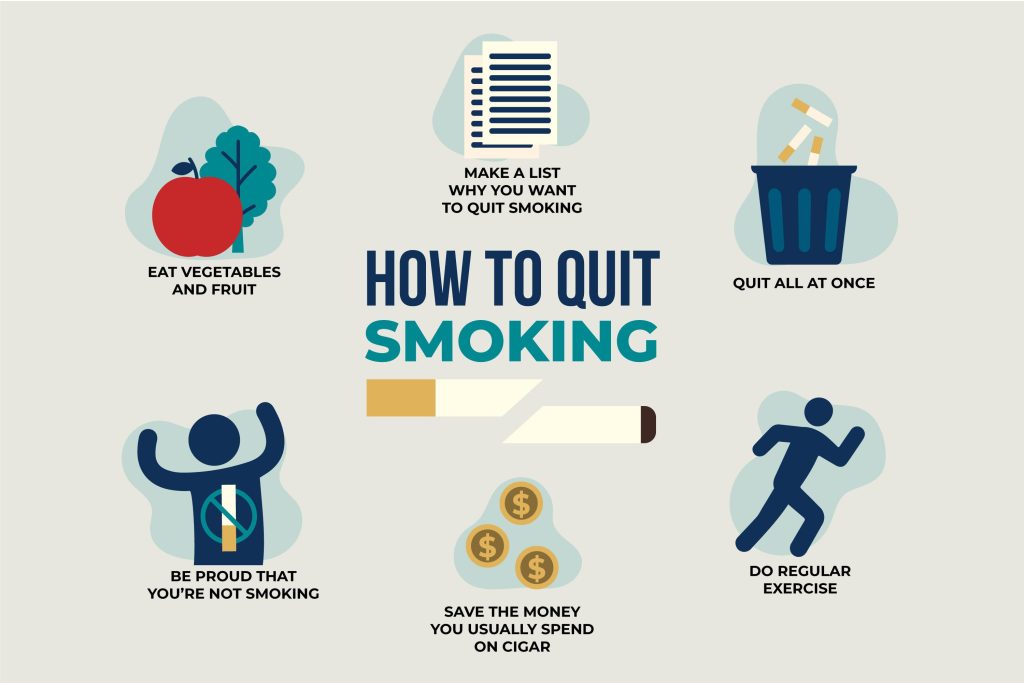
The first step is to make a firm commitment to quit, setting a quit date and preparing mentally for the process. Nicotine replacement therapies, such as patches, gum, or lozenges, can help manage withdrawal symptoms and reduce cravings. Prescription medications may also be an option for some individuals to help reduce the urge to smoke. Behavioral support, such as counseling or support groups, can provide guidance and encouragement throughout the quit process. It is important to identify triggers that lead to tobacco use and develop strategies to cope with them, such as exercising, deep breathing, or engaging in hobbies. Seeking support from family, friends, or smoking cessation programs can significantly increase the chances of success. Quitting smoking is a journey, and even if setbacks occur, persistence and a positive attitude can lead to long-term success and improved health.
Conclusion
Smoking is a major health risk, contributing to serious diseases such as heart disease, cancer, and respiratory disorders. Despite the known dangers, many remain addicted due to nicotine’s effects. Raising awareness and supporting smoking cessation are vital steps in reducing the impact of tobacco use on global health. Quitting smoking offers significant health benefits, improving overall well-being and reducing the risk of life-threatening conditions.