
Stem cell therapy offers new hope in the treatment of sports injuries. Articular cartilage is the most commonly injured tissue in professional sports. Soccer, tennis, basketball, light and heavy athletics, boxing, figure skating are all, in one way or another, associated with an increased load on the joints, which violates the integrity of cartilage articulations.
Why do tendon wounds “not want” to heal?
Damaged cartilage tissue heals extremely slowly and reluctantly, or not at all. Cartilage is a tissue with an extremely slow metabolism due to poor blood supply and innervation. To restore damaged joints, radical measures have to be taken. This is, above all, surgical transplantation of cartilage tissue. The method is complex, costly, not always effective and not free from side effects. Meanwhile, a study on a group of 30 patients showed that just one injection of stem cells from bone marrow to treat “tennis elbow” showed significant improvement in short- and medium-term follow-up. This is why special hopes in sports injuries and sports medicine are placed on stem cell therapy for damaged joints, which can initiate regeneration of damaged cartilage. The potential of stem cell therapy is especially promising for athletes and others suffering from sports injuries, as it offers a less invasive treatment option.

Recovery challenges in athletes with sports injuries
Recovery from sports injuries is a complex and multifaceted process. Athletes face several major challenges:
- Long rehabilitation period. Traditional treatments such as physical therapy, medication or even surgery often take months to fully recover. In some cases, the injury can cause chronic pain and limitations in movement.
- Risk of re-injury. Even after the injured area has fully recovered, the risk of re-injury remains high, especially if the tissue has not been restored to its original state.
- Lack of regenerative potential. Some injuries, especially cartilage or tendon injuries, have low regenerative potential, making recovery inefficient and often incomplete.
- The need for a quick return to sport. For professionals, any break in training is a loss of form, competition and income. Lack of effective recovery methods significantly affects an athlete’s career.
How stem cells solve problems caused by sports injuries
- Accelerating the healing of damaged tissue
Stem cells have the unique ability to turn into a variety of cell types, including those needed to repair damaged tissue. This is especially important for repairing ligaments, cartilage and tendons, which have limited regenerative capacity. The use of stem cells can significantly speed up the healing process, which is especially important for athletes who need to get back on track as soon as possible after sports injuries.
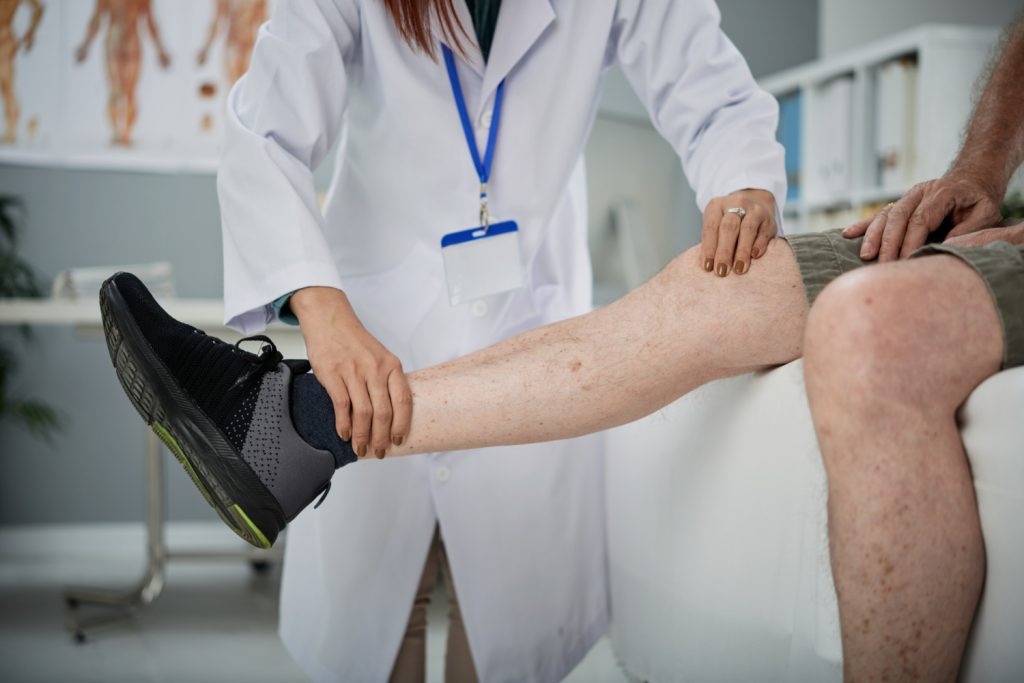
- Reducing inflammation and pain
After injuries, inflammation develops in the area of injury, which slows recovery and causes pain. Stem cells have anti-inflammatory effects that help reduce swelling and pain by speeding up tissue repair processes. This allows athletes to return to training faster and improve their quality of life during rehabilitation.
- Minimizing scarring
After sports injuries, especially ligament and tendon tears, scar tissue often forms that reduces mobility and flexibility. Stem cells promote more effective tissue repair without the formation of dense scarring, which helps to maintain full functionality of the injured areas and prevent restriction of movement.
- Long-term results and prevention of re-injury
One of the major concerns in sports is the risk of re-injury. The use of stem cells not only helps repair damaged tissues, but also improves their longevity and strength. This reduces the likelihood of re-injury and helps athletes avoid long breaks in training.
Results of cell therapy for musculoskeletal injuries
Stem cells are actively used in sports medicine. They allow you to recover many times faster after sports injuries such as sprains, fractures, strains, tears, and bruises. Injections of cellular material into injured areas accelerate the process of tissue regeneration by 3-4 times.
Stem cells reduce the inflammatory process and provide a persistent effect of therapy. They help to completely heal the damaged areas and prevent complications.

In addition, a popular application of stem cells is spinal fusion surgery, which is performed to treat pain syndrome in the degeneration of intervertebral discs. Mesenchymal stem cells help to improve the effectiveness of the intervention. Their regenerative properties help the fusion process through their osteogenic and osteoinductive properties.
Stem cells also have a potential preventive effect – by strengthening the musculoskeletal tissues, they increase the strength and endurance of the athlete and prevent re-injury.
Conclusion
Stem cell therapy is a promising and innovative approach in sports medicine, offering new opportunities for recovery from sports injuries and diseases of the musculoskeletal system. This method can significantly accelerate the healing process, reduce inflammation, reduce the risk of scar tissue formation and increase the longevity of repaired tissues. The use of stem cells not only helps athletes return to training faster, but also helps reduce the likelihood of re-injury, which is extremely important for professionals for whom recovery time is crucial. Against the backdrop of traditional treatments, which often have long rehabilitation times and high risks, stem cell therapy opens new horizons for effective and safe medicine. This becomes particularly relevant in the high levels of stress faced by athletes and may become an important element in the strategy for the prevention and treatment of sports injuries.